

What Is a Retainer and Why You Need One
How long do you need to wear a retainer? Most orthodontists have patients wear retainers full-time for the first few months after braces or aligners, then switch to nightly wear for life. That nighttime habit is what keeps your results stable long after active treatment ends.
A retainer is a custom appliance worn after orthodontic treatment to hold your teeth in their new position. During treatment, your teeth move through bone with the help of the periodontal ligaments, the small fibers that connect each tooth to its socket. Once your braces or aligners come off, those ligaments and the surrounding bone need time to firm up around the new alignment. Without retention, teeth tend to drift back toward where they started.
Teeth also shift naturally as you age, even if you’ve never had orthodontic work. That’s why retention isn’t a short-term fix. It’s part of every treatment plan at Marcel Method Orthodontic Specialists, where Dr. Tom Marcel and Dr. Jasmine Faldu, both board-certified orthodontists, build retention into the care they design from day one.
The Retainer Wear Timeline, Stage by Stage
Retention happens in stages. Here’s what a typical schedule looks like, though your orthodontist will tailor the plan to your specific case.
- Stage 1, full-time wear. For the first few months, expect to wear your retainer most of the day and night, taking it out only to eat, brush and floss. This is when teeth are most likely to shift, so consistency matters more than anything else in this window.
- Stage 2, the move to nighttime. Once your orthodontist confirms your teeth are holding steady, you’ll shift to wearing your retainer while you sleep. This stage feels like a relief after months of all-day wear.
- Stage 3, nightly wear for the long term. This is the habit that protects your results. Teeth continue to shift subtly throughout life, and nighttime retention keeps everything in place.
- Optional reduced schedule. Some patients, with their orthodontist’s approval, can eventually wear their retainer fewer nights a week. This depends on how stable your bite has proven to be over time.
- Return to full-time wear if needed. If your retainer suddenly feels tight after a few nights off, that’s a signal. Go back to all-day wear until it fits comfortably again, then resume your nightly routine.
Your retainer wear timeline will depend on how complex your original case was, how stable your teeth prove to be and the type of retainer you have. Severe crowding, big rotations and spacing cases often need longer full-time wear up front.
Benefits of Consistent Retainer Wear
Wearing your retainer isn’t just a formality. It protects everything you worked for. Here’s what consistent wear does for you.
- Prevents orthodontic relapse. Teeth have memory. Without retention, they’ll gradually move back toward their original positions, undoing the alignment you worked for.
- Protects your bite. A good bite does more than look nice. It helps you chew efficiently and distributes force evenly across your teeth, which reduces wear and tear over the years.
- Counteracts age-related shifting. Everyone’s teeth shift as they get older, especially the lower front teeth, which tend to crowd over time. Nightly retainer wear slows or stops this natural drift.
- Avoids retreatment. Going back into braces or aligners because teeth have shifted takes real time and effort. A few minutes of retainer care each night is a far easier habit than a second round of treatment.
- Supports oral hygiene. Straight teeth are easier to brush and floss, which lowers your risk of cavities and gum issues. Keeping them straight keeps hygiene simpler.
- Maintains your confidence. The smile you ended treatment with can be the smile you have decades from now. That consistency matters, whether you’re in a wedding photo, a job interview or just catching your reflection.
Think of your retainer the way you’d think of flossing. It’s a small nightly habit with a big long-term payoff. Patients who stay consistent with retention are the ones who still love their smiles twenty years later.
Retainer Types at a Glance
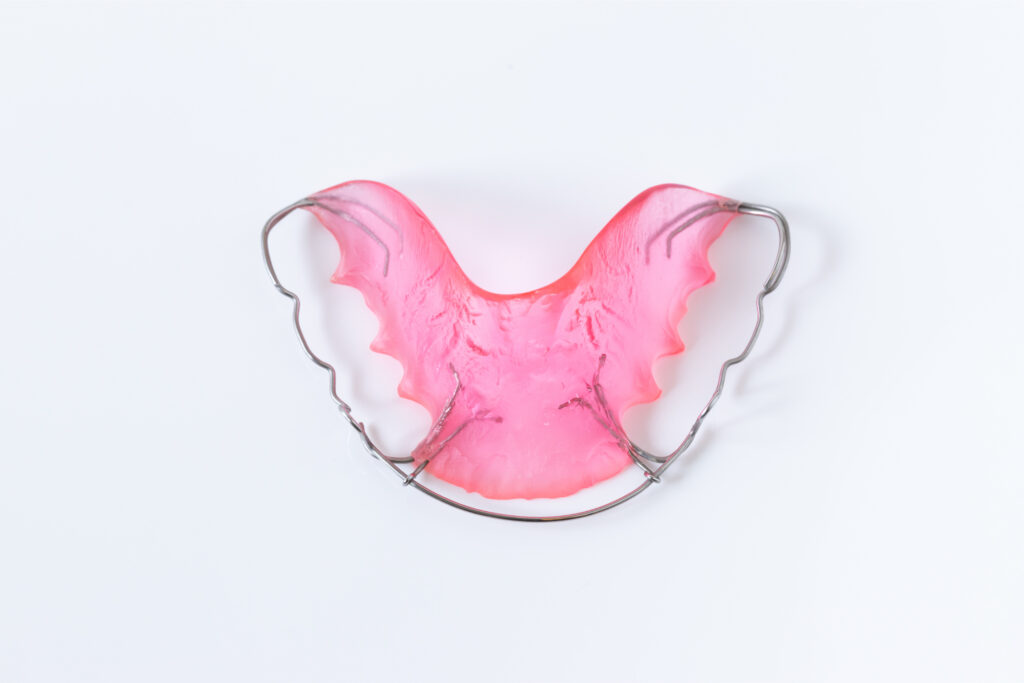
There are three main kinds of retainers. Hawley retainers use a wire across the front teeth and an acrylic piece that sits against the roof of your mouth. Clear retainers are thin plastic trays that look a lot like aligners. Bonded retainers are a thin wire attached to the back of your front teeth, so they work around the clock. Dr. Marcel and Dr. Faldu match the retainer type to your case, your bite and your daily routine.
What to Do If Your Retainer Cracks, Gets Lost or Stops Fitting
Lost, cracked or warped retainers need prompt replacement. Even a few weeks without one can allow enough shifting to make the next retainer uncomfortable, or to require a short round of corrective treatment.
If your retainer breaks, feels painful or stops fitting, call your orthodontist. Don’t force a retainer that won’t seat, and don’t try to repair a cracked one yourself. Small issues caught early are easy to fix. Delays are what turn minor shifts into major ones.
Retainers don’t last forever, so it helps to have a plan for replacements. Ask us about our retainer subscription program at your next visit.
How to Care for Your Retainer
- Keep it in its case. Whenever your retainer is out of your mouth, it belongs in its case. Wrapping it in a napkin at lunch is one of the most common ways retainers end up in the trash.
- Keep it away from heat. Hot water, the dishwasher and a car dashboard on a warm day can all warp the plastic so it no longer fits.
- Keep it away from pets. Dogs in particular love to chew retainers. Store the case somewhere they can’t reach.
- Clean it every day. Rinse it when you take it out and brush it gently with a soft toothbrush and cool or lukewarm water.
- Bring it to your appointments. Your orthodontist can check the fit and spot wear before it becomes a problem.
Who Needs Lifetime Retainer Wear?
The short answer is nearly everyone who has had orthodontic treatment. Here’s a closer look at who benefits most from indefinite nightly wear.
- Every orthodontic patient. Whether you had braces, Invisalign or Spark aligners, nighttime retention protects your results. Teeth don’t stop moving just because treatment ended.
- Patients with higher relapse risk. Cases involving severe crowding, significant tooth rotations or spacing between teeth have a stronger tendency to shift back. These patients often need stricter adherence to the full timeline.
- Adults. Adult teeth tend to be more set in their ways, which can be an advantage, but adults also deal with more cumulative age-related shifting. Consistent wear matters.
- Patients with bonded retainers. Even with a permanent wire in place, orthodontists often recommend a removable retainer as a backup. If the bond ever breaks without you noticing, your removable retainer catches the shift before it becomes a problem.
- Anyone who notices a tight fit. If your retainer feels snug after a few nights off, that’s your signal to resume full-time wear until it slides in comfortably again.
Frequently Asked Questions
Can you go 2 weeks without a retainer?
Going two weeks without a retainer usually causes some noticeable shifting, especially in the first year or two after treatment. Your retainer may feel tight or even painful when you put it back in. Call your orthodontist, who can evaluate whether your current retainer still fits or if a new one is needed before more movement occurs.
Can a permanent retainer be removed after 20 years?
Yes. A bonded retainer can be removed by your orthodontist whenever it’s no longer needed or if it becomes problematic. That said, many patients keep theirs for decades because it works quietly in the background. If you’ve had yours a long time and want it evaluated, we’re happy to take a look.
What are the downsides of retainer wear?
The main downsides are minor and manageable. Removable retainers can cause a slight lisp for the first few days until your tongue adjusts. Bonded retainers require careful flossing with a threader or water flosser. Both types need regular cleaning to stay fresh and clear. Compared to losing your results, these are small trade-offs.
What happens if my retainer feels tight?
A tight retainer means your teeth have shifted slightly. Go back to full-time wear for several days until it feels comfortable again, then return to your regular nightly schedule. If the tightness doesn’t improve within a week, or if the retainer causes pain or won’t seat fully, contact your orthodontist for an evaluation.
How often should I replace my retainer?
It depends on the type. Clear retainers typically last 1-3 years, Hawley retainers 5-10 years and bonded retainers often 5 or more. Everyday wear, nighttime grinding and how carefully you store the retainer all affect lifespan. If yours is cracked, warped, cloudy or no longer fits snugly, it’s time for a new one.
If you have questions about your retention plan or you’ve lost a retainer, we’re here to help. Call our Livermore office at (925) 447-7799, our Pleasanton office at (925) 846-0363 or our Tracy office at (209) 833-7799. Making great smiles more fun means keeping yours beautiful for the long run.